Davidson Polyaspartic Top Coats
The top coat is the thin clear layer that your tires, boots, spilled coffee and afternoon sun actually touch. On every floor we install around Davidson, that layer is aliphatic polyaspartic, because it shrugs off the things that wear an epoxy floor down. Robert owns Carolina Epoxy Coatings and puts every coat down himself, from the first pass of the grinder to the last roll of clear.
Call (704) 775-1120 Ask What Your Floor NeedsThe Layer That Takes the Beating
A coated floor is built in layers. Prep opens up the concrete, a primer bonds to it, a base coat carries the color or the flake, and the top coat seals the whole stack. Visitors notice the base. The top coat is the part that meets the world.
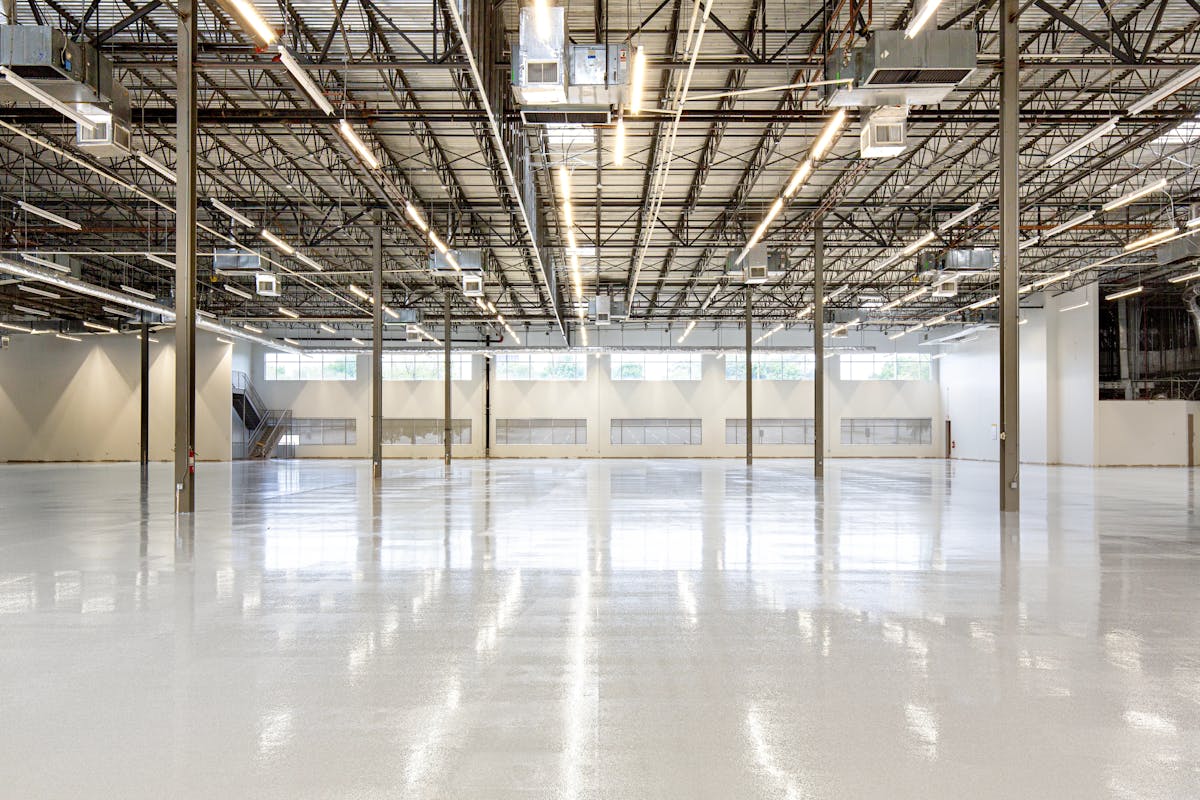
That clear layer has four jobs. It keeps sunlight from yellowing the color below, which matters in any garage with a window or a door left open on summer afternoons. It resists hot-tire pickup, where warm tires soften a weak coating and peel it away in the shape of a tread. It stands up to oil, brake fluid, antifreeze and the cleaners people grab to wipe them up. And it soaks up the abrasion from grit, dropped tools and dragged furniture, so the color underneath never has to.
Call (704) 775-1120 or reach us through the contact page if your floor is already showing any of those problems.
Speed is the other reason we lean on polyaspartic. It sets fast, so a household gets the garage back quickly and a business can have a floor done over a weekend and open on schedule. On a typical residential garage you are walking on it the same day and parking on it the next, and we confirm the exact times on your slab, because temperature shifts them.
The Top Coat Decides How Long a Floor Lasts
Most of a walkthrough goes to picking a flake blend or a solid color, and that is fair, since you will look at it every day. Yet two floors in the same color can wear out years apart, and the gap almost always traces back to the top coat. A single thin coat over a pretty base scratches through in the tire paths and dulls where people walk. A properly built top coat, at the right thickness and with the right number of passes, gives the floor a sacrificial layer to wear into before anything beneath it gets touched.
That is why our quotes list the top coat as its own line: which product, how many coats and why. When you hold our quote next to someone else’s, look for that line. If a quote never says how many top coats go down, ask, because that is usually where a lower number found its savings.
We often recommend a second clear coat on a working garage or a shop floor that sees cars and tools. On a basement or a bonus room that only ever sees socks, one coat can be plenty. Robert makes that call standing on your slab, never from a sheet written for somebody else’s floor.
Slab Moisture Gets Read Before Anything Is Quoted
Polyaspartic cures fine in humid air, so a sticky North Carolina August doesn’t stop us. The moisture that causes trouble comes up through the concrete. A slab sitting on damp ground pushes water vapor toward the surface, and if it pushes hard enough under a sealed coating, the coating blisters and lets go, sometimes months after it looked perfect.
So before Robert writes a quote, he takes readings across the slab. If they land within spec, the system goes down as planned. If they read high, the primer changes to a moisture-mitigating one that holds the vapor back, and the quote says so in plain words. That single change is far cheaper than tearing out a floor that failed, and it is the reason we won’t quote a coating over the phone.
Older slabs around Davidson deserve a careful read. Garages built into historic and semi-historic homes vary wildly in how they were poured and what sits under them, and two bays of the same garage can give different numbers. We test where it matters instead of taking one reading in the middle and calling it done.
Choosing the Finish You’ll Live With
The clear coat also sets how the floor looks and feels underfoot. Sheen and grip are both decided in that last layer, so we settle them before install day.
Full Gloss
The classic look, and the one that makes a garage or a shop feel bright. It throws light back into the room and wipes clean easily. A mirror finish does show dust and fine scratches sooner, so it suits owners who don’t mind running a mop through now and then.
Satin
A lower sheen that hides footprints, dust and light swirl marks better than gloss. It reads calmer beside wood trim and older interiors, which is why it often suits a garage attached to a period house. It seals and protects every bit as well as the glossy version.
Grit in the Clear
Smooth clear coat gets slick under a dripping car or wet boots. We can broadcast a fine aluminum-oxide or polymer grit into the last coat so it grips when wet. More grit means more traction and a little more effort to mop, so we size it to the room.
Recoating an Old Floor or Starting Over
The question owners of older coated floors ask most is whether a fresh top coat will bring theirs back. Sometimes it will. If the existing coating is still bonded tight and only the surface has gone dull or scratched, we can sand it, clean it and lay new clear over it, which is a much smaller job than a full install.
If it is peeling at the edges, lifting under tires, chalky, or some unknown product a previous owner rolled on, a new top coat would only be glued to a failing layer. That floor has to come up, back to bare concrete. Robert tests the old coating’s adhesion at the walkthrough before he tells you which kind you have. We won’t promise a recoat blind, because nobody can judge a bond from a photo.
Other Davidson Floors We Coat
The rest of our work around town is collected on the Davidson service area page, and every system we build on is laid out on our polyaspartic top coat page.
Top Coat Questions We Hear in Davidson
What does a polyaspartic top coat actually protect against?
Four things that wear floors out: sunlight that yellows the color below, hot tires that can lift a weak coating, chemicals like oil, brake fluid and antifreeze, and everyday abrasion from grit and tools. The base coat gives the floor its look. The top coat is what keeps that look intact.
Is polyaspartic better than epoxy as a top coat?
For the top layer, yes. Standard aromatic epoxy ambers in sunlight and scratches more easily. Aliphatic polyaspartic stays clear under UV and holds up better to chemicals and abrasion. Epoxy still has a place as a thick base coat underneath, and plenty of our floors use both.
Can you put a new top coat on my existing garage floor?
Sometimes. If the old coating is still well bonded, we sand it, clean it and add fresh clear over it. If it is peeling, lifting or an unknown product, it has to be ground off first. Robert checks the bond at the walkthrough before recommending either path.
Does Davidson humidity cause problems with polyaspartic?
Humid air is fine, since polyaspartic cures well in it. The risk is moisture rising out of the slab itself. Robert takes moisture readings before quoting, and when the slab reads high, the primer changes to a moisture-mitigating system so the coating does not blister later.
How soon can I use the floor after the top coat goes down?
On a typical residential garage, foot traffic comes back the same day and cars the next. Exact times depend on temperature and the system, so we confirm them on install day. Commercial floors get scheduled around your closing hours, with the timeline written into the quote.
Will a glossy top coat be slippery?
Smooth gloss can be slick when it is wet. We can broadcast a fine grit into the final coat so it grips under dripping cars or wet shoes. More grit gives more traction but takes more effort to mop, so we match the amount to how the room gets used.
How many top coats does a floor need?
It depends on the room. A garage or shop that sees cars, tools and chemicals usually gets two clear coats for a thicker wear layer. A basement or bonus room with light foot traffic can do well with one. The quote lists the count so you can compare it against other bids.
Judge the Shine for Yourself
Gloss and satin look different on a real floor than on a sample board. The gallery shows both under ordinary light, so you can see what a finished top coat actually looks like.